what percentage of your daily calories should come from carbohydrates What percentage of your diet should be carbohydrates
As a health-conscious individual, it’s important to know what percent of carbohydrates should be in your diet. Carbohydrates provide your body with energy, but not all carbs are created equal. Knowing the right percentage can help you maintain a healthy weight and prevent chronic diseases. Firstly, it’s important to understand what carbohydrates are. Carbohydrates are one of the three macronutrients, along with protein and fat. Carbohydrates are broken down into glucose, which is used as fuel for the body. There are two types of carbohydrates: simple and complex. Simple carbohydrates are found in foods like sugar and white bread, while complex carbohydrates are found in foods like fruits, vegetables, and whole grains. The recommended daily intake of carbohydrates varies from person to person based on their age, gender, weight, and activity level. However, the Dietary Guidelines for Americans suggests that carbohydrates should make up 45 to 65 percent of the total daily calorie intake. For someone on a 2,000 calorie diet, this amounts to 225 to 325 grams of carbohydrates per day. It’s important to note that not all carbohydrates are equal in nutritional value. Simple carbohydrates, also known as refined or added sugars, lack nutrients and can have negative effects on health. Complex carbohydrates, on the other hand, are rich in nutrients and fiber and can help with weight management and disease prevention. To ensure that you’re getting the right types of carbohydrates, focus on whole, nutrient-dense foods like fruits, vegetables, whole grains, and legumes. These foods are not only high in complex carbohydrates but also contain vitamins, minerals, and fiber that are essential for good health. It’s also important to pay attention to portion sizes. Overconsuming carbohydrates, especially the simple variety, can lead to weight gain and chronic diseases like diabetes and heart disease. Stick to moderate portions, and opt for low-glycemic index carbohydrates, which are slower to digest and provide a steadier source of energy. In conclusion, carbohydrates are an essential part of a healthy diet, but the type and amount you consume are critical. Aim for complex carbohydrates from whole, nutrient-dense foods, and focus on portion control to maintain optimal health.
If you are looking for What Percentage of My Daily Calories Should Come From Carbohydrates? | Healthfully you’ve came to the right place. We have 5 Pics about What Percentage of My Daily Calories Should Come From Carbohydrates? | Healthfully like What Percentage of My Daily Calories Should Come From Carbohydrates? | Healthfully, What Percentage Of Your Diet Should Be Carbohydrates - ave7design and also What Percentage of My Daily Calories Should Come From Carbohydrates? | Healthfully. Here it is:
What Percentage Of My Daily Calories Should Come From Carbohydrates? | Healthfully
 healthfully.comWhat Percent Of Carbohydrates Should Be In Your Diet - 42 Creative Wedding Ideas & Wedding
 theweddingwu.blogspot.comehowcdn percent carbohydrates
Solved: Total Calories From Carbohydrate_ X100- (Divided B… | Chegg.com
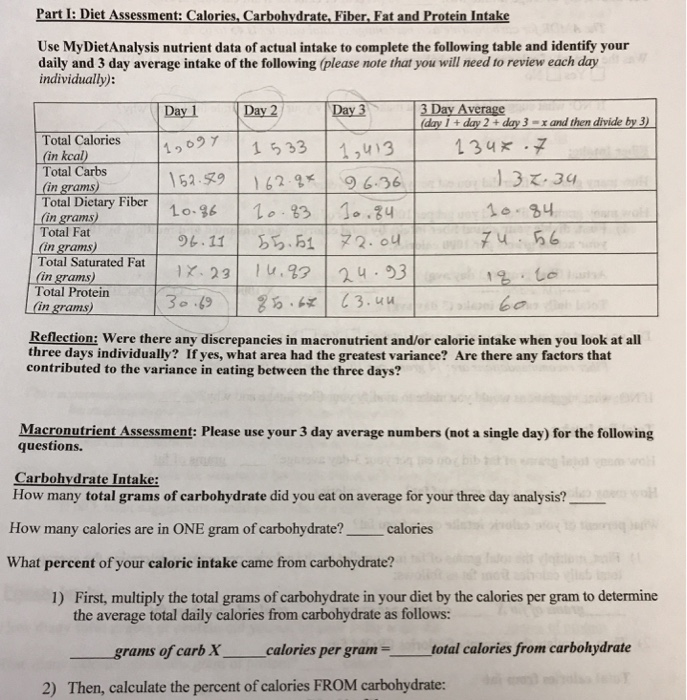 www.chegg.comcarbohydrate calories intake caloric
Defining Nutrient Requirements: Dietary Reference Intakes – Nutrition: Science And Everyday
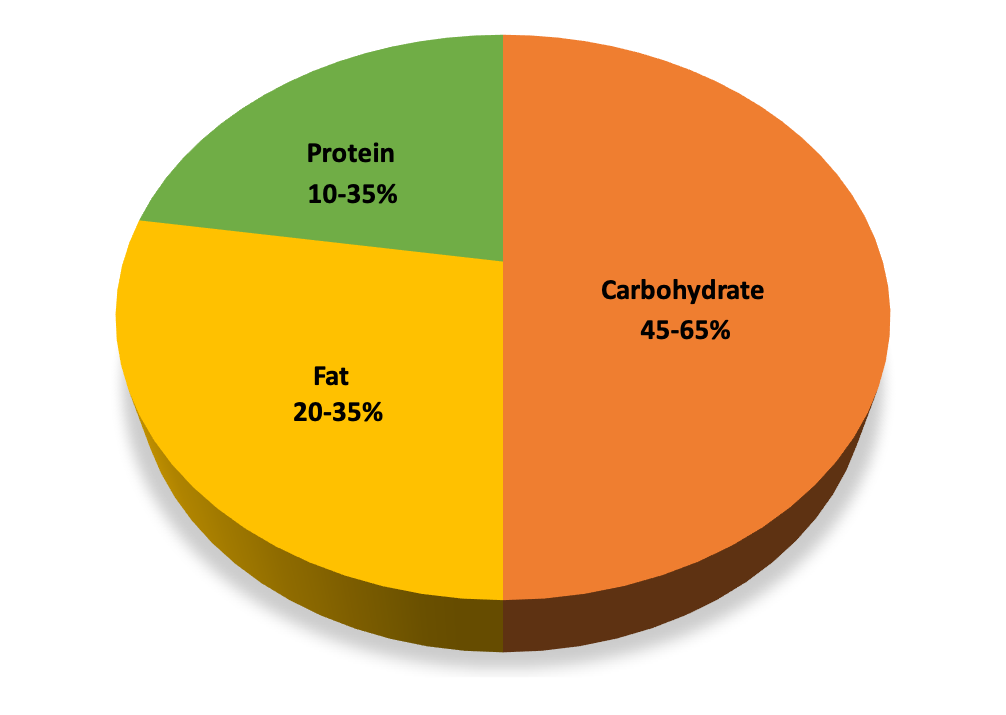 openoregon.pressbooks.pubamdr distribution macronutrient pie chart nutrition nutrient carbohydrate macronutrients dietary requirements reference ranges protein fat energy percent science intakes defining
What Percentage Of Your Diet Should Be Carbohydrates - Ave7design
 ave7design.blogspot.comcarbohydrates
Ehowcdn percent carbohydrates. Defining nutrient requirements: dietary reference intakes – nutrition: science and everyday. Carbohydrate calories intake caloric